
Ketogenic diets are often presented as a simple, one-size-fits-all solution, but in clinical and therapeutic settings, ketogenic metabolic therapy (KMT) is something very different. It is not a trend, a template, or a short-term dietary reset—it is a structured nutrition strategy designed to influence metabolism in a deliberate and individualized way.
Many people come to ketogenic therapy after trying “keto” on their own, often with mixed results. What they quickly discover is that the simplified versions of keto commonly found online don’t translate well when the goal is therapeutic support.
At Advanced Ketogenic Therapies (AKT), we work with individuals and families using ketogenic approaches for health-related goals—often in the context of complex medical histories and ongoing symptoms. In these cases, ketogenic therapy is not a static diet. It is a metabolic strategy that requires thoughtful design, careful implementation, and ongoing adjustment over time.
This article is intended to clarify what KMT actually is, how it differs from popular ketogenic diets, and why structured guidance matters—both for safety and for meaningful, sustainable outcomes.
Ketogenic Metabolic Therapy vs “Keto” as It’s Commonly Understood
The word keto is used in many different ways, and it often means different things to different people. For some, it refers to a general low-carbohydrate eating pattern. For others, it means avoiding sugar and grains entirely without any consideration for protein or fat. In therapeutic settings, however, KMT has a more specific purpose and is applied with greater intention.
KMT is a nutrition-based approach designed to shift the body’s primary fuel source from glucose to fat-derived ketones, with the aim of influencing underlying metabolic processes that may be relevant to certain health conditions. Importantly, this does not look the same for everyone. The level of carbohydrate restriction required to achieve meaningful benefit depends on the individual, their goals, and how their body responds over time.
Key distinctions include:
Purpose: Therapeutic ketogenic diets are used to support metabolic stability and symptom management—not aesthetics, trends, or rapid results.
Structure: Macronutrient composition is intentionally designed, not approximated.
Monitoring: Symptoms, biomarkers, tolerance, and response guide adjustments.
Individualization: No two plans look the same, even for similar diagnoses.
This personalized, adaptive approach is what distinguishes KMT from lifestyle keto diets built on generalized advice or online templates.
Why Ketogenic Therapy Is a Process, Not a Prescription
One of the most common misconceptions about KMT is that success depends on finding the right ratio, food list, or supplement stack and following it indefinitely. In practice, therapeutic ketogenic diets are dynamic and evolve over time.
At AKT, KMT is approached as an evolving process that often includes:
A comprehensive intake and history review
Thoughtful initiation based on current metabolic state and tolerance
Ongoing assessment of symptoms, energy, cognition, and function
Adjustments informed by trends—not single data points
Periodic reassessment of goals, structure, and intensity
What works at the beginning of therapy is not always what works months later. As metabolism adapts, nutritional needs often change. Without guidance, individuals may either abandon the diet prematurely or push it in ways that are unnecessarily restrictive or counterproductive.
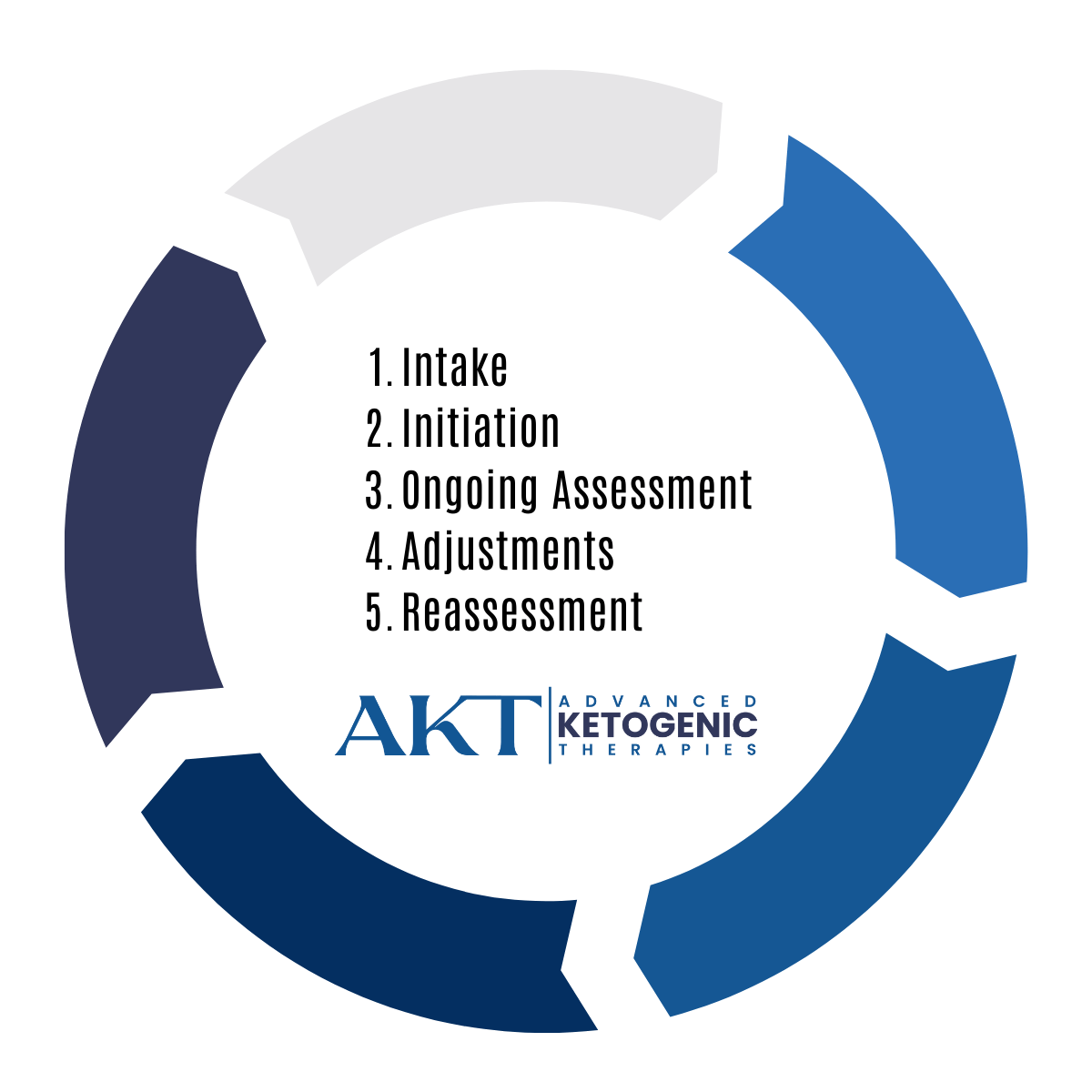
Therapeutic ketogenic diets evolve as metabolism, tolerance, and goals change over time.
The Role of Individualization in Therapeutic Ketogenic Diets
Even among individuals pursuing KMT for similar reasons, responses vary widely. Factors that influence how a ketogenic diet should be structured include:
Medical history and current diagnoses
Medications and supplements
Baseline metabolic health
Gastrointestinal tolerance
Activity level and energy demands
Prior experience with carbohydrate restriction
Social and practical constraints
Because of this variability, KMT cannot be responsibly delivered as a one-size-fits-all approach. Individualization is not an added feature—it is the foundation of safe and effective care.
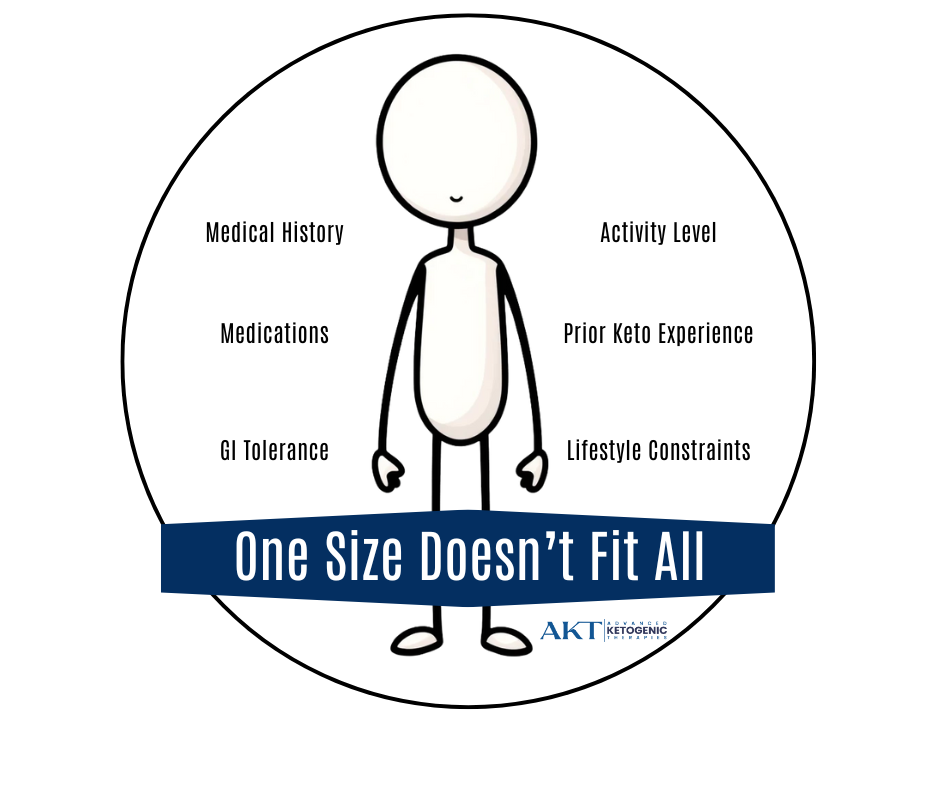
Therapeutic ketogenic diets are shaped by many interacting factors—not just carbohydrate intake.
Why Guidance Matters in Ketogenic Metabolic Therapy
Guidance is not about strict control or unnecessary complexity. It is about interpretation, context, and safety.
1. Interpreting the Body’s Response
Ketone levels, glucose trends, appetite changes, fatigue, and changes in symptoms can all offer clues about how the body is responding, but none tell the full story on their own. Guidance helps clarify what reflects normal adaptation and what signals the need for adjustment, as well as when structure is helpful versus overly rigid.
2. Avoiding Common Pitfalls
Without support, people often run into avoidable challenges—such as becoming overly restrictive in ways that lead to nutrient gaps or poor tolerance, focusing so closely on numbers that anxiety replaces meaningful feedback, or feeling unsure about when (or how) to adjust the approach as their body responds.
3. Supporting Long-Term Adherence
Therapeutic ketogenic diets are rarely meant to be an “all-or-nothing” approach forever. With appropriate guidance, individuals can adjust the intensity over time, transition thoughtfully when indicated, and maintain benefits without creating unnecessary burden or rigidity.
How AKT Approaches Ketogenic Metabolic Therapy
At AKT, KMT is delivered through nutrition education and coaching that supports real-world application. In therapeutic contexts, this role often involves helping individuals translate clinical recommendations into daily practice, supporting implementation and adherence, and monitoring nutrition-related trends and tolerance over time.
AKT’s work is grounded in evidence-based nutrition practice, clinical experience, and respect for individual variability. No two client journeys are identical, which is why our approach emphasizes personalization, trends over single data points, and long-term sustainability.
Our role is not to impose rigidity, but to provide clarity—helping individuals understand how ketogenic therapy applies to them and how it may need to change over time.
Final Thoughts
KMT isn’t a trend or a shortcut—it’s a structured nutrition strategy that evolves over time. When applied thoughtfully, personalization and guidance help support safety, clarity, and sustainable outcomes.
If you are ready to explore KMT, the next step is a conversation. A complimentary introductory call clarifies your goals and determines the level of support that aligns with your needs.
For additional questions, our FAQ section provides detailed information about what to expect.
